
Capter une conférence, un colloque ou une assemblée : le dispositif qui tient
You can’t redo a conference. Unusable room microphones, slides that are illegible on screen, speakers backlit by the stage lights: these are the well-known pitfalls of institutional recording, and we ensure the sound, picture and supporting materials are of a high standard so that we can still deliver a recording fit for broadcast.
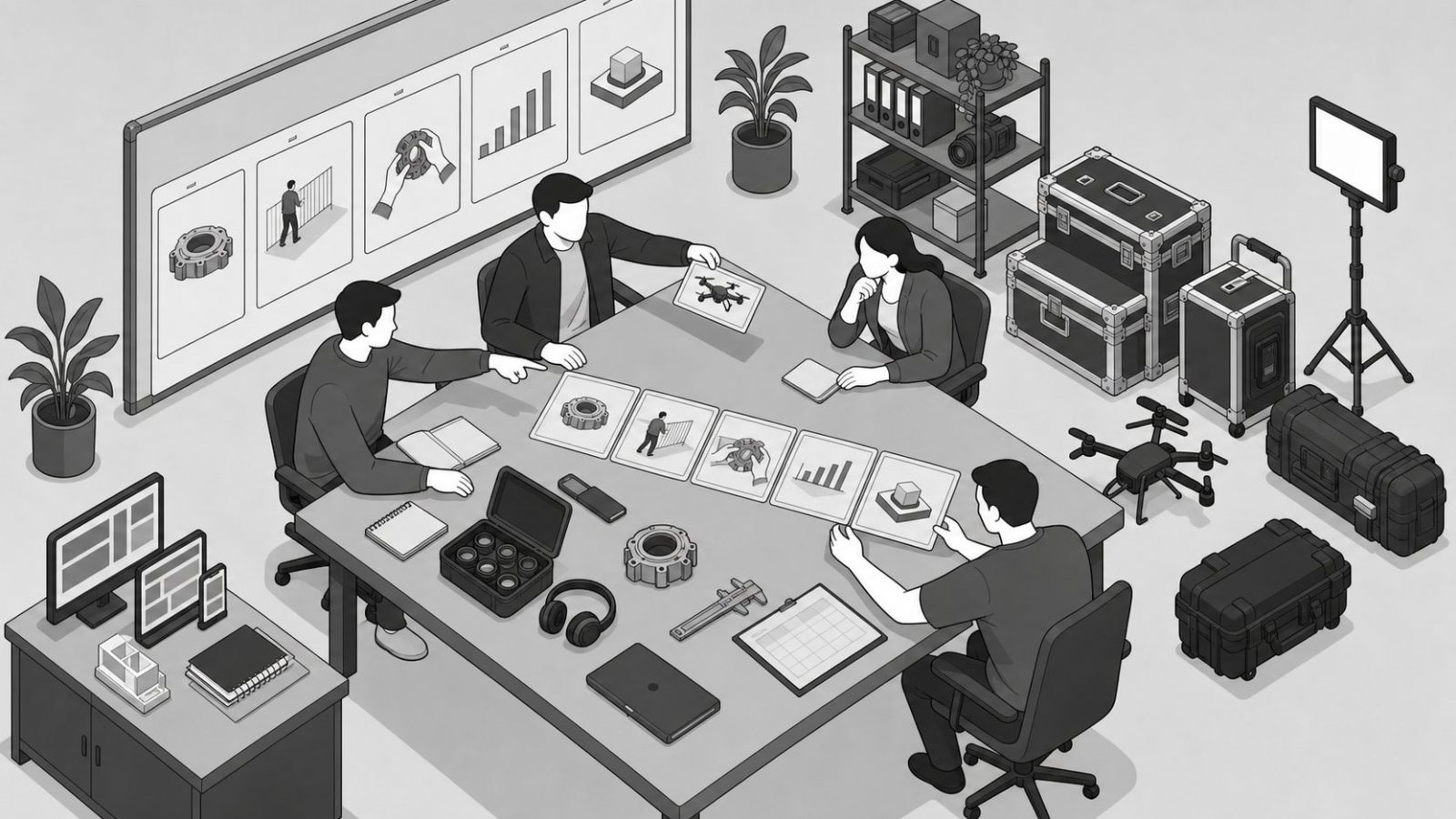
Filming a conference, a general meeting or a symposium may seem like a straightforward shoot at first glance: people are speaking, and you’re recording. However, it is one of the most challenging tasks, as the sound comes from the existing PA system, the lighting is not designed for the camera, the slides must remain legible and the event takes place only once.
We deliver a ready-to-edit recording to an institution or local authority, with clear sound and integrated media files.
The sound is set up with the sound engineer
Sound is the main reason why a conference recording goes wrong: a microphone built into the camera mainly picks up reverberation and background noise. Usable audio comes from the control room, via an output from the sound console combined with an ambient recording to capture questions from the audience and the energy of the room.
We therefore contact the venue’s technical manager before the event to agree on the available output, the signal level and backup options. A wireless microphone for the main speaker often completes the setup when the PA system is insufficient.
The slides must remain legible on screen
Filming a projection screen almost always results in a washed-out or distorted image. For a presentation, a conference or a meeting, the best approach is to capture the content directly from the source: a direct capture of the computer’s HDMI signal, which is then overlaid during editing.
The audience then sees a clear slide, synchronised with the speaker; this requires either obtaining the presentation file or fitting a splitter to the video output – a point that needs to be sorted out in advance.
One or two cameras, depending on how they are used
For archive footage or a pre-recorded broadcast, two camera angles are often sufficient: a stable wide-angle shot as a reference and a close-up of the speaker. The first ensures continuity, whilst the second conveys a sense of presence.
For a round-table discussion or panel debate, a third camera angle or a motorised camera becomes useful for following the discussion without abrupt cuts. The choice depends on the number of speakers, the duration and the intended use of the recording.
What we deliver
Depending on the brief: the full conference recording with slides embedded, short clips from each presentation, vertical formats for social media, or a subtitled version. These deliverables are decided in advance, as they determine which footage needs to be preserved and which audio needs to be retained.
For an institution, there are two key benefits to a high-quality recording: keeping an accurate record of the event and generating communication material that can be reused for months to come.
Preparing to film your event
Please let us know the venue, the date, the number of speakers and the intended use. We will propose a set-up tailored to the venue and the required outcomes.
News
Also worth reading
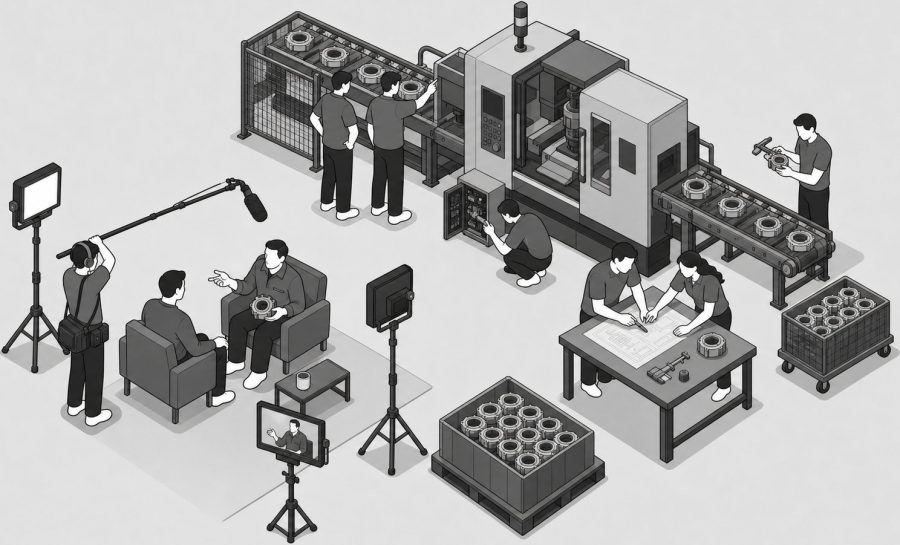
Un film de votre entreprise, tourné chez vous
We produce a one- to two-minute promotional film at your business premises, aimed at SMEs, retail businesses and craftspeople in northern Vaud. Prices start at 800 CHF and the film is delivered to you within three weeks.
Read more
Combien coûte une vidéo d'entreprise en Suisse romande ?
The cost of a video depends on the preparation, the number of days of filming, the size of the crew and the expected deliverables, far more than on the camera itself. Each of these factors can increase or reduce the final bill.
Read more
Pourquoi un viseur électronique (EVF) reste indispensable en tournage
Whether shooting outdoors, in close-up or during a long take, the EVF ensures accurate framing, correct exposure and operator stability. We incorporate it into the camera setup for these three reasons.
Read more