
Bien filmer un spectacle : les choix qui font une captation solide
Filming a performance well requires preserving the staging, anticipating the lighting, synchronising the picture and sound, and then capturing what cannot be re-enacted. The number of cameras is a secondary consideration.
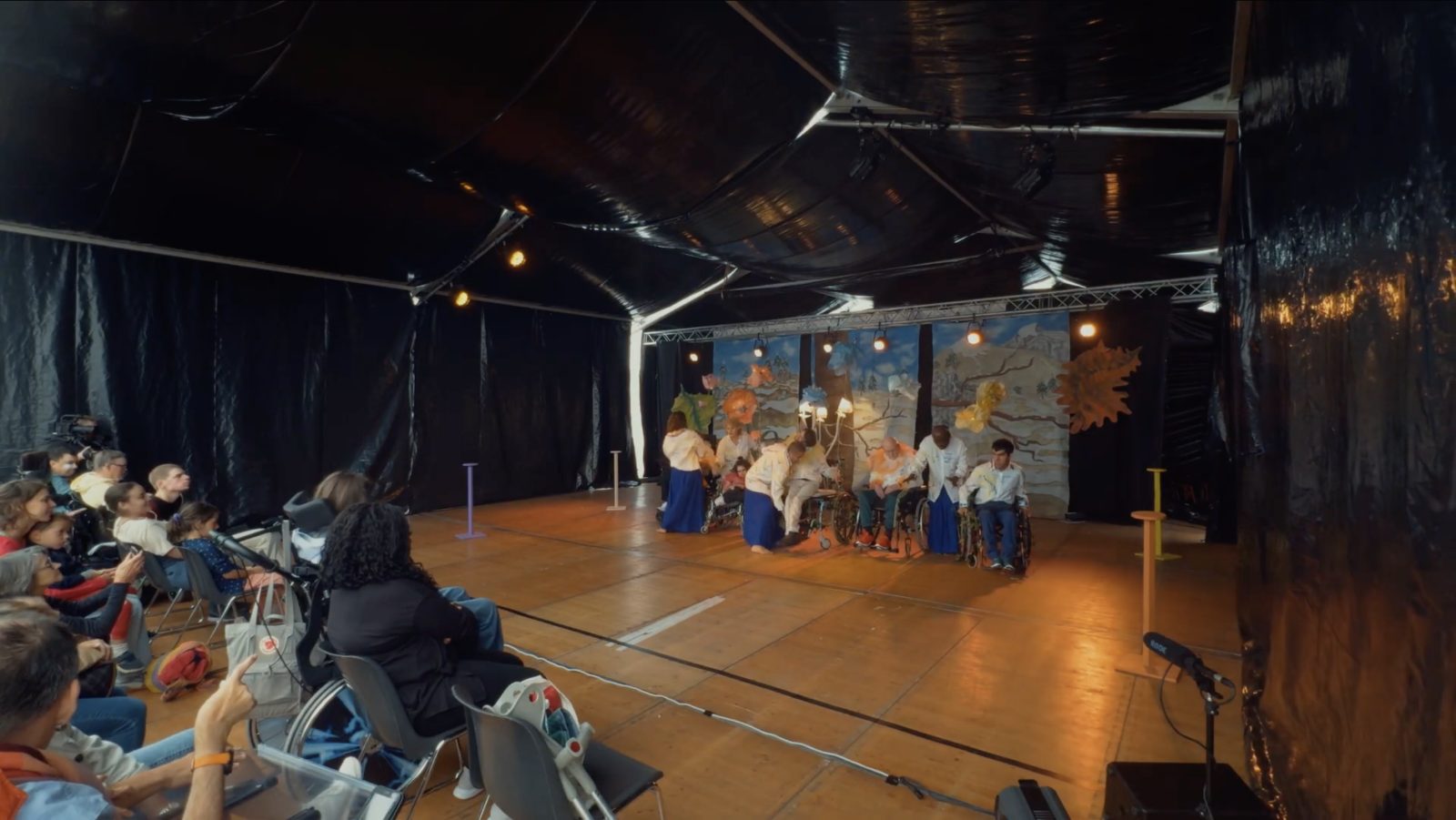
A performance cannot be re-enacted for the camera. By the time the audience takes their seats, the camera angles, sound, media and contingency plans must already be in place.
We set up a system that is discreet enough to respect the venue, precise enough to follow the action on stage, and robust enough to deliver a complete film after a single performance.
Filming begins before the doors open
The main purpose of blocking and rehearsals is to understand the scene.
We observe the entrances, exits, scene changes, blackouts, group movements and the moments when the audience’s attention shifts from one performer to another. This information helps us identify the key focal points.
Above all, a rehearsal reveals the risks: an actor who is often obscured, choreography that spills beyond the stage, a sudden backlighting issue, or a set change that cuts off a camera for several seconds. The filming setup is then constructed around the staging.
Each camera must have a specific purpose
The coherence of a recording stems from the complementary nature of the axes.
A wide reference shot captures the geography of the scene and the overall movements. Tighter angles provide access to the characters’ expressions, gestures and the details that convey emotion. Between the two, it is important to maintain sufficient continuity to allow the editing to breathe.
We therefore assign a clear responsibility to each camera position, which limits duplication, prevents all cameras from following the same performer and ensures a solution is available should one of the angles be temporarily obstructed.
The number of cameras depends on the set, the duration, the audience, the directorial style and the deliverables. A well-thought-out, lightweight setup often produces a more coherent film than a heavier setup lacking a common language.
Image
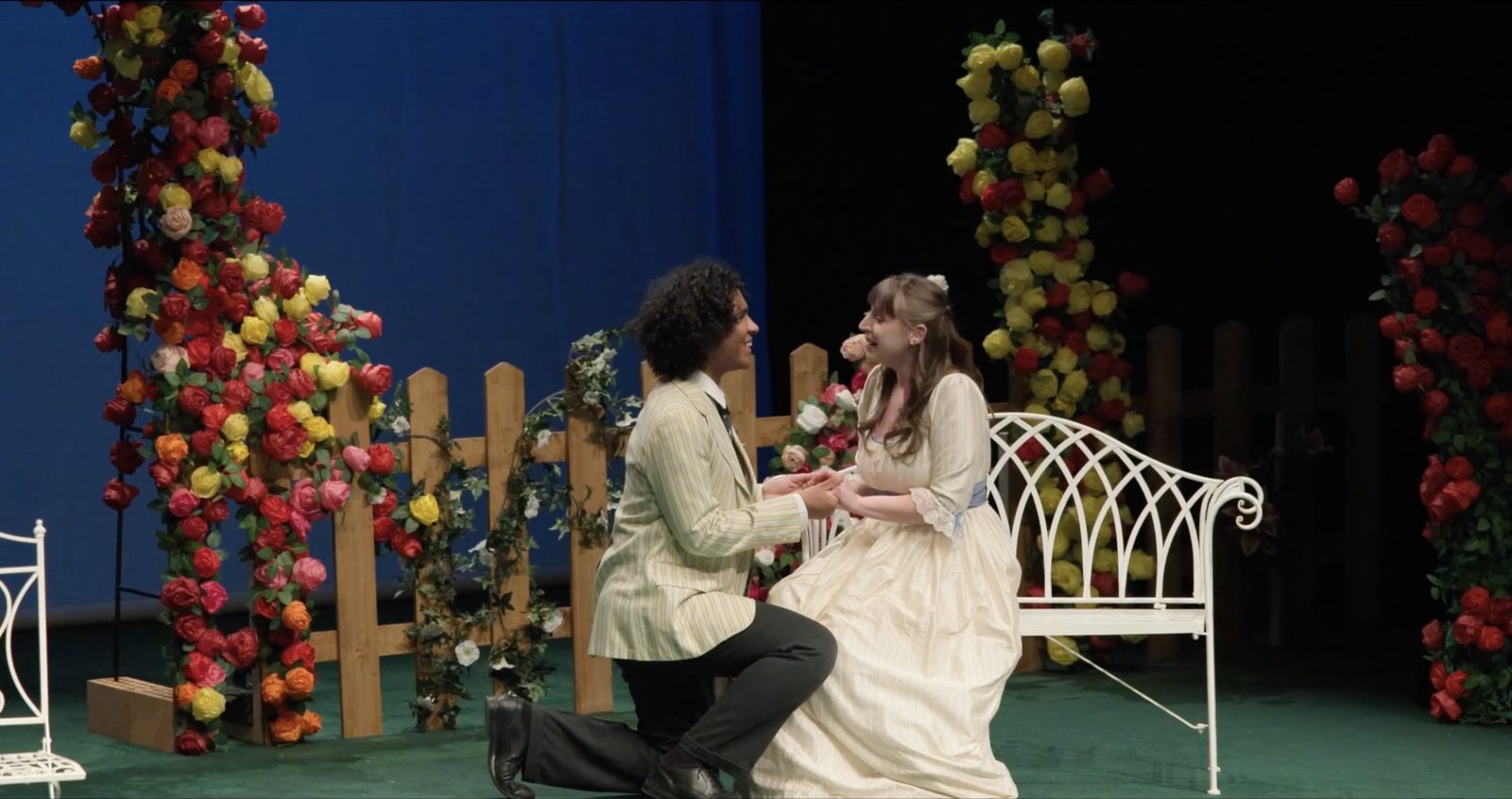
Show respect for the venue as well as the setting
Even a good route remains unusable if it causes disruption to the public, the performers or the technical crew.
The height of the stage, the slope of the tiers, the front rows, the aisles, the control room and the clearances impose practical constraints: a camera positioned a few metres further away may preserve a line of sight, whilst another position may render a movement indistinguishable through a telephoto lens.
We seek a balance between the quality of the shot and the discretion of the set-up: the audience’s pathways remain unobstructed, the camera operators know how far they can follow a movement, and the cables, tripods and monitor screens do not become a second set design.
Stage lighting has its own rules
Deep blacks, saturated spotlights and LED walls require real-world testing under the lighting conditions of the show.
A scene can shift from a face in a narrow beam of light to a set that is entirely red, and then to a white LED screen. The correct exposure cannot be determined by a single average value.
LED light sources present a further risk: Sony points out that they can flicker at very high frequencies and cause banding or colour variations. A setting that works well under one projector may fail under another, and whilst variable shutter functions can reduce the problem, the manufacturer recommends also checking the actual recording.
We therefore test critical lighting conditions before the performance and check the signal using the appropriate tools. No single setting is universal: we take into account the mains frequency, the projector controls, the camera frame rate and the director’s artistic vision.
Synchronisation must remain invisible
When several cameras and an audio recorder are in operation throughout an entire performance, precise timing becomes essential for editing.
Timecode identifies the same moment across multiple recordings, whilst genlock operates at a different level by synchronising the generation of images. The degree of synchronisation required varies between a pre-recorded production, a live switchboard and a setup combining several processing chains.
ARRI describes genlock as a common method for synchronising video equipment to a shared reference. The EBU, for its part, emphasises that the precise timing of cameras and sound is a key consideration in multicamera work.
We select the architecture based on the duration, the equipment, the type of recording and the programme’s intended destination, to avoid any perceptible timing drift and any time wasted reconstructing a faulty clock in post-production.
The theatre sound is not yet the film’s original soundtrack
The façade provides a soundtrack for the audience present, whilst the soundtrack must also work for someone watching elsewhere, at a later date.
The front-of-house mix depends on the venue’s acoustics, meaning that an instrument which is already loud in the auditorium may be barely audible at the mixing desk. The applause, audience reactions and reverberation that give the performance its sense of scale may also be missing from a direct signal.
Shure distinguishes between the mix intended for the auditorium and the broadcast mix, and points out that ambient microphones can capture the venue’s acoustic character. Sound Devices also emphasises the importance of microphone placement and the benefits of recording the ambient sound separately when it needs to be adjustable later on.
We therefore coordinate the recording with the sound team and retain the elements useful for the final mix whenever conditions allow. We aim to recreate the sense of distance, energy and pauses perceived during the performance, without adding an audience to the mix.
Planning for the unexpected without making the room feel cluttered
A one-off performance requires contingency plans to be in place before the curtain falls for the first time.
A card might run out of space, a battery might run out faster than expected, a cable might be moved, or a camera axis might become unusable because of a spectator standing in the way. None of these incidents should result in an entire scene being cut from the film.
We scale media, power supplies and recording capacity to the actual duration, including the interval. We check formats, file names and audio sources before the show begins. Reference shots are protected and team roles remain clear should a position encounter a problem.
Three shows, three strategies for attracting an audience
The appropriate approach depends on the visual language and what the film is intended to convey.
Dance: the focus is often on the group’s geometry, the range of movement of the dancers’ bodies and the continuity of the movement. A shot that is too close-up may be technically correct whilst obscuring the choreography.
Theatre: the viewer’s gaze moves between the text, the silences, the reactions and the movements on stage. The camera must anticipate these moments without giving the impression of chasing after the dialogue.
Concert: the rhythm of the editing must remain in sync with the performance. The lighting, the audience and the sound become elements just as important as the artist’s face.
These three scenarios can all take place in the same venue yet require very different choices, meaning that a standard set-up is not sufficient.
The editing extends the staging
Switching cameras as soon as a shot becomes available weakens the film.
A cut must preserve a gesture, a line of sight, a musical phrase or a dramatic tension. Cutting too frequently reduces the sense of space and tires the viewer, whilst lingering too long on a single shot can cause a key moment of action to be missed.
We edit according to the logic of the performance: wide shots re-establish the action when necessary, whilst close-ups are used when a detail drives the narrative. Colour grading harmonises the camera footage without obscuring the lighting choices made during production.
From the same shoot, the final products can then serve several purposes: a full recording, a teaser, vertical clips, a broadcast package or archive material. This variety is planned before filming, as it influences which shots need to be preserved.
A reliable recording protects what cannot be replayed
The result depends less on a single setting than on the consistency of the entire system.
Filming a performance well means understanding the stage, assigning a role to each camera, managing changes in lighting, keeping the picture and sound in sync, and retaining enough footage to edit without compromising the performance.
The audience should not notice this technical set-up, whilst the client must be able to recognise the performance: its intentions, its rhythm, its spatial dynamics and the quality required for long-term broadcasting.
Preparing to film your show
Please let us know the venue, date, duration and intended use of the film. We will propose a solution tailored to the venue and the deliverables.
Technical sources
Professional literature consulted for this article.
News
Also worth reading
Capter une conférence, un colloque ou une assemblée : le dispositif qui tient
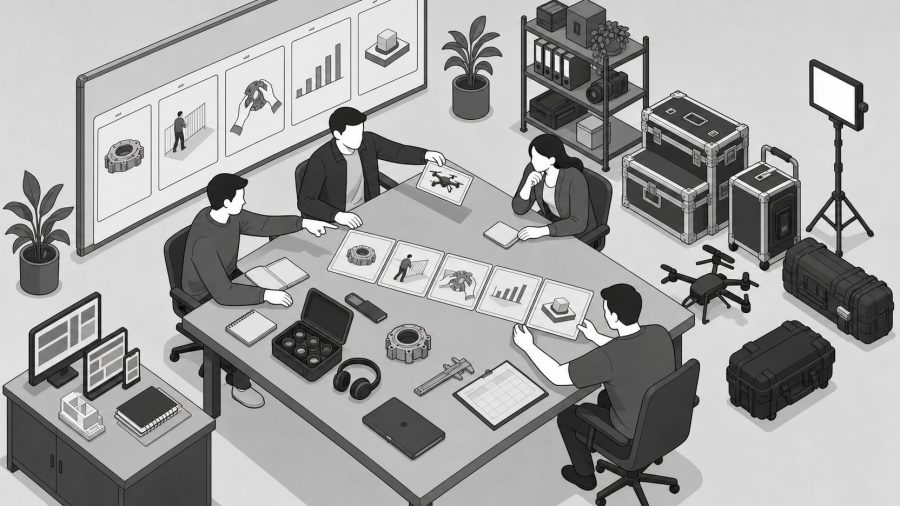
You can’t redo a conference. Unusable room microphones, slides that are illegible on screen, speakers backlit by the stage lights: these are the well-known pitfalls of institutional recording, and we ensure the sound, picture and supporting materials are of a high standard so that we can still deliver a recording fit for broadcast.
Read more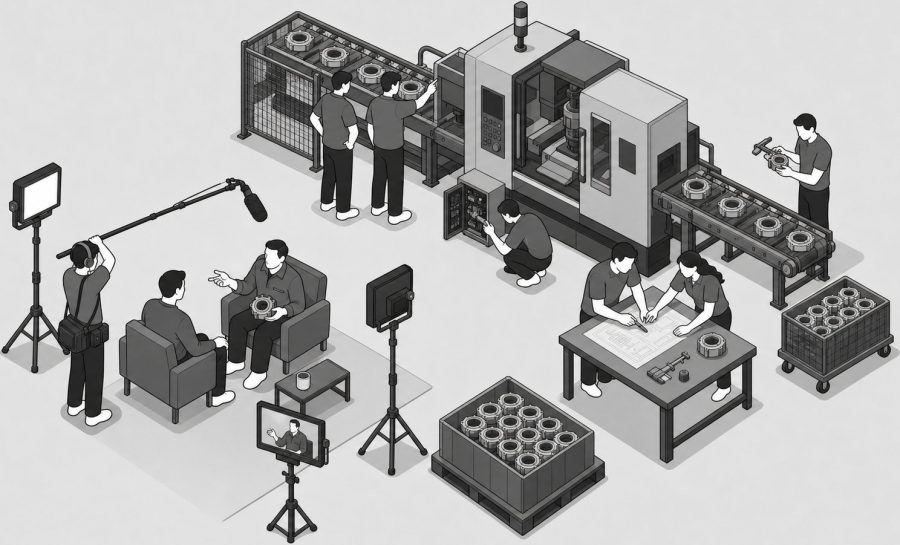
Un film de votre entreprise, tourné chez vous
We produce a one- to two-minute promotional film at your business premises, aimed at SMEs, retail businesses and craftspeople in northern Vaud. Prices start at 800 CHF and the film is delivered to you within three weeks.
Read more
Combien coûte une vidéo d'entreprise en Suisse romande ?
The cost of a video depends on the preparation, the number of days of filming, the size of the crew and the expected deliverables, far more than on the camera itself. Each of these factors can increase or reduce the final bill.
Read more